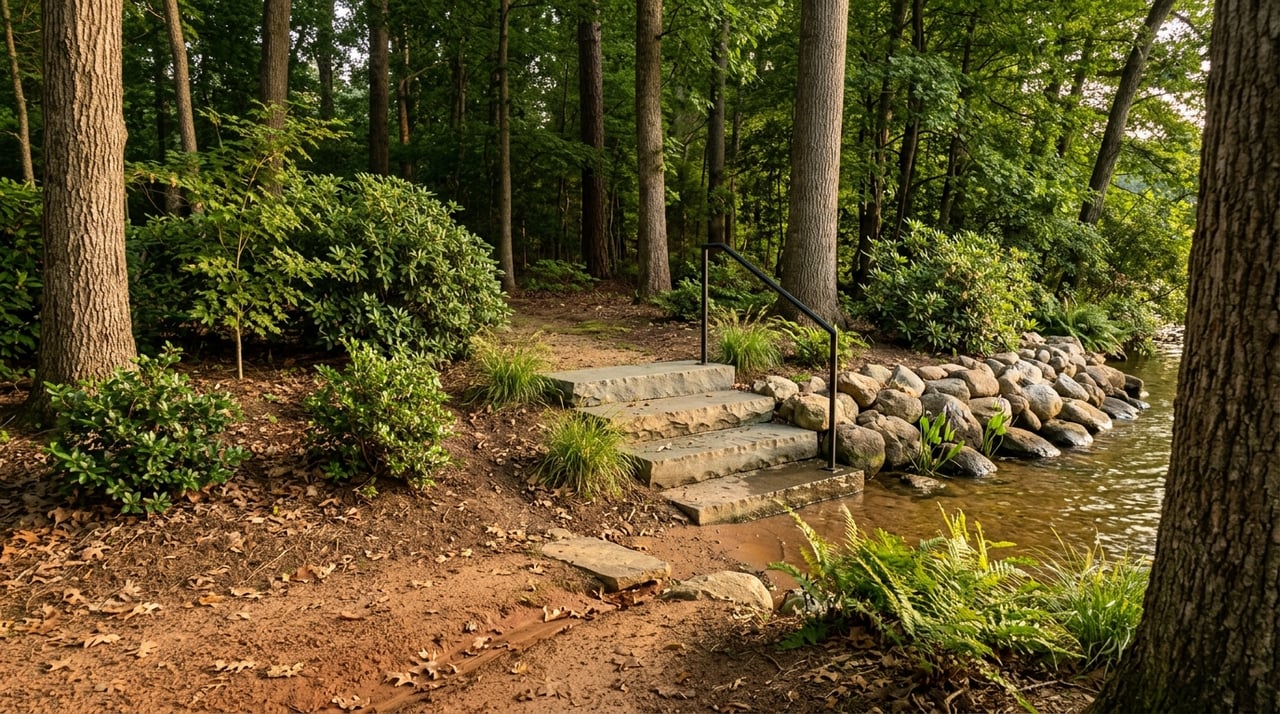
If you are shopping for a Lake Hartwell lot on the Hart County side, one question matters more than almost any other: what can you actually do with the land once you own it? A lot may look perfect in photos, show strong water views, and even sit close to town, but shoreline rules, access issues, septic requirements, and road details can quickly change the picture. This guide will help you understand what to look for, what to verify, and how to approach Hart County lake-lot buying with more confidence. Let’s dive in.
Why Hart County Lots Get Attention
Lake Hartwell is not a small local lake. The U.S. Army Corps of Engineers says it covers about 56,000 acres of water with roughly 962 miles of shoreline across Georgia and South Carolina.
On the Georgia side, Hart County is one of the counties shaped heavily by the lake. Hart County’s 2022 comprehensive plan treats the Lake Hartwell Corridor as a distinct character area, which tells you something important right away: this is a market where the lake drives land use, buyer demand, and development patterns.
For you as a buyer, that means the Hart County side is generally better understood as a limited, desirable shoreline market rather than a place with endless easy-to-build waterfront inventory. The county also notes that shoreline development pressure remains strong even though much of the lakefront is already built out.
What You Will Likely Find
Not every Lake Hartwell lot in Hart County looks or functions the same. Most buyers tend to see a few common lot types.
Waterfront Lots Near Corps Shoreline
Some lots sit directly on or near the shoreline areas managed by the U.S. Army Corps of Engineers. These can be attractive if you want direct water access, but private shoreline uses like docks or underbrushing depend on the site and the shoreline classification.
That is why two lots with similar views can have very different value in practice. One may support your plans, while the other may not.
Subdivision Lots
You may also find lots in subdivisions with recorded plats, shared roads, or private roads. In these settings, maintenance responsibility and use details may be shaped by plats, road design, or association rules.
This matters because road access is not just a convenience issue. It can affect whether the lot is buildable at all.
Larger Rural-Residential Parcels
Hart County’s plan also supports rural residential and large-lot single-family detached development in the Lake Hartwell Corridor. That means some buyers will come across larger parcels that offer more privacy, more flexibility in home placement, and a less dense setting.
These properties can appeal if you want a home site with a quieter feel or if you want room beyond the immediate shoreline edge. They can also require more due diligence on utilities, driveway layout, and site prep.
Dockability Is Never Automatic
One of the biggest mistakes lake-lot buyers make is assuming that lakefront means dockable. On Lake Hartwell, that is not something you should ever take for granted.
The U.S. Army Corps of Engineers divides shoreline into limited-development, protected shoreline, public recreation, and prohibited access areas. In limited-development areas, private uses such as docks and underbrushing may be considered. In protected shoreline areas, some private uses may be considered, but no new boat-dock permits will be authorized. Public recreation and prohibited access areas do not allow private-use permits.
Why a Field Check Matters
USACE states that dockability depends on shoreline zoning, location, and spacing from other structures, and that a field inspection is the only way to positively determine dock potential. In simple terms, a lot can look dock-friendly online and still fail the real-world test.
If a dock is important to you, treat that as a top-level due diligence item, not a bonus to sort out later.
Existing Permits Do Not Transfer
This is another point buyers need to know early. USACE says existing shoreline use permits become void when a property is sold.
So if a seller has a shoreline use permit, you cannot assume you automatically step into that permit after closing. A new owner must apply for a new permit.
Water Levels Can Change Usability
Lake Hartwell is a reservoir, so shoreline conditions do not stay the same year-round. USACE reports an average lake elevation of 657.5 feet, with a recorded low of 637.49 feet and a recorded high of 665.4 feet.
That range matters in practical ways. Depending on lake level, the walk to the water, the slope at the shoreline, and the approach to a dock area can all feel different.
A lot that shows nicely when water is up may feel very different during lower water periods. If you are comparing lots, it helps to think about shoreline usability over time, not just on showing day.
Buildability Is More Than a Pretty View
A great lake lot still has to work as a building site. In Hart County, that means checking county requirements early instead of assuming you can figure them out after you go under contract.
Hart County’s Planning Department handles county planning, environmental enforcement, building permits, transportation permits, and subdivision regulations. For residential construction, the county’s permit checklist requires a recorded plat, verification of 911 addressing, and septic or water and sewer approval when applicable.
Septic and Well Questions Matter
The Hart County Health Department’s environmental health section enforces on-site sewage systems and also samples individual wells for bacterial contamination. For many lake lots, especially where sewer service is limited, septic review is not a side issue. It is central to whether the lot works for your build plan.
Even a lot with solid frontage and a nice view can become complicated if septic approval is not in place or if the site conditions do not support the home layout you want.
Recorded Plat and Addressing
A recorded plat and 911 address verification may sound administrative, but they are part of the path to a permit. Missing paperwork or unresolved lot details can slow your timeline.
If you are buying to build soon, these items deserve attention before you close, not after.
Road Access Can Make or Break a Lot
Lake buyers often focus on water first, but road access is just as important. Hart County ordinance language says no building permit may be issued unless the lot abuts a public street, county road, or private road, and a septic tank permit has been obtained.
That means access is not just about whether you can physically reach the property. It is also about whether the lot meets the standards needed for a permit.
Public Roads vs Private Roads
Privately maintained roads must be labeled as such and are not county-maintained unless formally accepted. If you are looking at a subdivision or tucked-away lake parcel, you should understand who maintains the road and what that means for long-term use.
This can affect convenience, maintenance expectations, and how you evaluate the lot overall.
Lot Shape Still Matters
For new subdivisions, county standards use frontage and setback rules. That means lot shape, width, and driveway geometry can directly affect buildability.
A narrow or oddly shaped lot may still be usable, but you need to know how the site lays out against county rules and your intended house plan.
Utilities Are a Major Due Diligence Item
Hart County’s comprehensive plan notes that many roads around the lake remain unpaved and sewer service remains at a premium. That is a practical warning for buyers.
If you are buying a lot on the Hart County side, never assume utilities are simple just because the lot is near other homes or close to the water. Verify water, sewer if available, septic feasibility, road conditions, and service access early.
This is especially true if you are comparing a subdivision lot with a larger rural-residential tract. The setting may be similar on a map, but the utility picture can be very different.
Why the Hart County Side Appeals to Buyers
The Hart County side of Lake Hartwell offers a mix that many buyers want: lake access, residential privacy, and connection to daily conveniences. Hart County’s plan says Hartwell serves as the civic and commercial center for much of the county as well as seasonal Lake Hartwell visitors.
The county also identifies East Hartwell along US-29 toward the dam as a growth area with retail, dining, and continued residential growth. For you, that can mean a lake-lot purchase that still keeps you reasonably connected to town services and everyday errands.
That combination can be attractive whether you are planning a weekend place, a future primary home, or a longer-term build strategy.
A Smart Lot-Buying Checklist
Before you move forward on a Hart County Lake Hartwell lot, focus on the basics that most often affect value and usability:
- Confirm the exact lot lines and recorded plat
- Verify road frontage and legal access
- Ask whether the road is public, county-maintained, or private
- Check 911 address verification status
- Review septic requirements or water and sewer availability
- Evaluate lot shape, setbacks, and possible home placement
- Confirm shoreline classification if the lot touches Corps-managed shoreline
- Do not assume dock rights or permit transferability
- Consider how changing water levels may affect shoreline use
- Compare convenience to Hartwell and the US-29 growth corridor if daily access matters to you
Final Thoughts on Buying Hart County Lake Lots
Buying a Lake Hartwell lot on the Hart County side can be a great move, but it rewards careful buyers. This is a constrained shoreline market where location, shoreline classification, access, utilities, and buildability all matter just as much as the view.
If you take the time to verify the important details up front, you can avoid expensive surprises and make a much stronger purchase decision. And if you want a practical second set of eyes on a lake lot, local guidance can make the process a lot smoother.
If you are weighing a Lake Hartwell lot purchase and want straightforward help evaluating the land, shoreline questions, and overall fit, reach out to Joseph Cann for practical guidance grounded in real land and lake-property experience.
FAQs
What should you verify before buying a Lake Hartwell lot in Hart County?
- You should verify buildability, recorded plat status, 911 addressing, road access, septic or utility availability, and shoreline classification before you close.
Can every waterfront lot on the Hart County side have a private dock?
- No. USACE says dockability depends on shoreline zoning, location, spacing from other structures, and a field inspection.
Do shoreline permits transfer with a Lake Hartwell lot sale?
- No. USACE states that existing shoreline use permits become void when a property is sold, and the new owner must obtain a new permit.
Why does road access matter for a Hart County lake lot?
- Hart County ordinance language says no building permit may be issued unless the lot abuts a public street, county road, or private road, and septic approval has been obtained.
Are utilities always easy to get on Lake Hartwell lots in Hart County?
- No. Hart County’s plan notes that many roads around the lake remain unpaved and sewer service remains limited, so utility verification is an important part of due diligence.
Is the Hart County side of Lake Hartwell convenient to town services?
- In many cases, yes. Hart County identifies Hartwell as the civic and commercial center for the area, and East Hartwell toward the dam includes retail, dining, and continued growth.