If you have ever looked at two pieces of land with the same acreage and wondered why one feels like a great fit and the other feels full of headaches, you are asking the right question. Buying a recreational tract in Laurens County is not just about how many acres you get. It is about how the land, access, utilities, taxes, and future plans fit together. This guide will help you sort through those details so you can choose a tract that truly matches how you want to use it. Let’s dive in.
Why Laurens County draws land buyers
Laurens County offers a mix that many recreational buyers want: rural land, outdoor access, and practical road connections. County information highlights access through US 25, US 221, US 72, Interstate 385, and Interstate 26, which can make it easier to reach a tract for weekend use or regular visits.
The county also gives you solid tools for research before you buy. Through county resources, you can review GIS mapping, deeds, and property tax information, which makes it easier to check boundaries, ownership history, and tax classification before a parcel moves from interesting to serious.
From a lifestyle standpoint, Laurens County has a strong outdoor identity. County visitor materials point to lakes, rivers, hunting areas, parks, golf courses, and recreation around Lake Greenwood and Lake Rabon, so buyers often have more than one use in mind when shopping for land here.
Start with your primary use
Before you compare road frontage, timber stands, or pond sites, get clear on what you want the property to do for you. A tract that works well for hunting may not be the best fit for horses or a future homesite.
Your primary use shapes almost every smart buying decision. It affects what kind of cover you need, how much open ground makes sense, what type of access matters, and whether utilities or septic feasibility should move to the top of your checklist.
Hunting and timber use
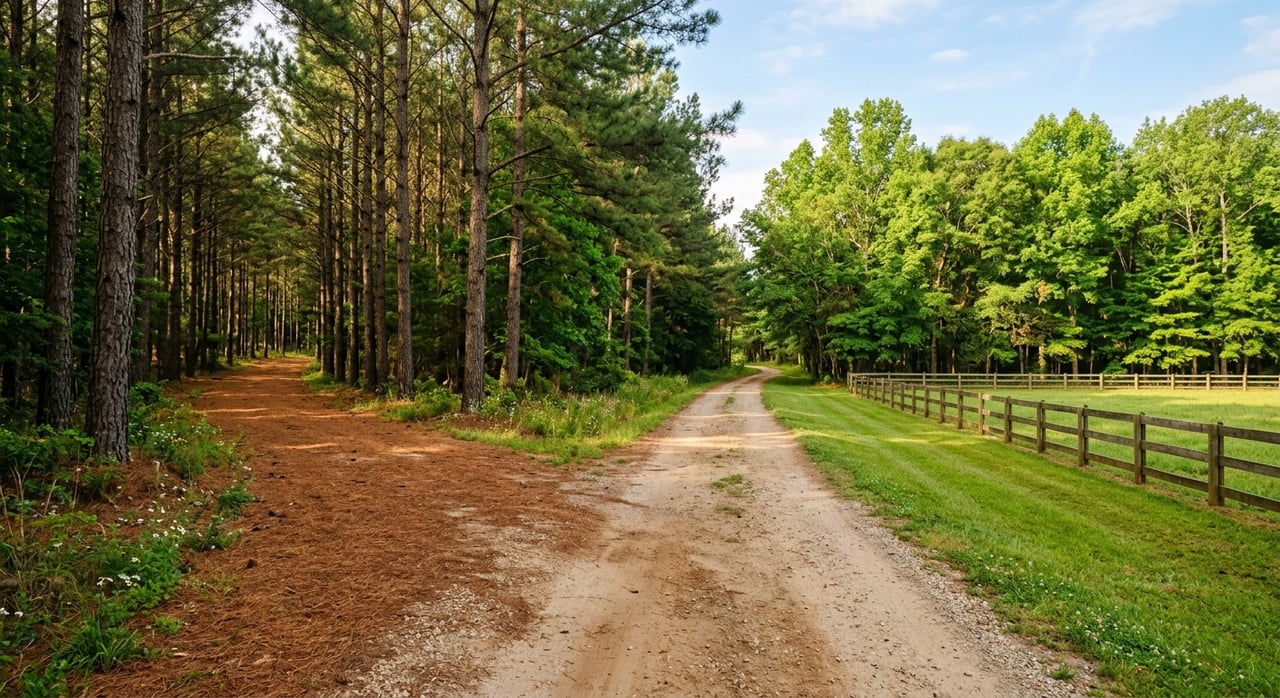
If your goal is privacy, wildlife cover, and a lower-maintenance tract, timber-heavy land may be the best fit. Laurens County is in SCDNR Game Zone 2, and county recreation information notes hunting on private land and on tracts leased by hunting clubs.
When you tour this kind of property, focus on the practical details first. Look at ingress and egress, interior trails or roads, water features, food-plot potential, and whether zoning or deed restrictions line up with how you plan to use the property.
Pasture and hobby use
If you picture horses, barns, gardening, ATV riding, or a more open weekend setup, pasture-oriented land may fit better. Open ground can be flexible, but it also brings different questions than a wooded tract.
In Laurens County, drainage, fencing, water supply, and homesite potential matter early. If public sewer is not available, county subdivision rules require septic permits, and documentation may also be required when water or sewer service is unavailable. That makes utility feasibility a key part of the decision, not a detail to check later.
Mixed-use acreage
Many buyers want a little of everything: woods, open ground, privacy, recreation, and maybe a future build site. Mixed-use acreage often gives you that flexibility, especially if you want a tract that can serve you now and still offer options later.
These tracts need careful review because flexibility usually comes with more moving parts. Roads, utility corridors, easements, wetlands, riparian areas, and flood hazard zones can all affect how much of the land is truly usable for your plans.
Check access before you fall in love
Access can make or break a recreational tract. A beautiful parcel does not help much if legal access is unclear, the entrance is difficult to use, or internal travel across the property is limited.
Before you move too far into negotiations, use county GIS and deed tools to confirm road frontage, easements, and ownership details. This step is especially important on rural land, where long drive entrances, shared roads, or private access arrangements can affect both use and long-term value.
It also helps to think beyond the front gate. On larger tracts, interior roads and trails matter just as much as highway access because they affect hunting setups, equipment movement, and how easily you can enjoy different parts of the property.
Verify utilities early
One of the most common mistakes land buyers make is assuming utilities are available because service exists somewhere nearby. In Laurens County, utility service is highly parcel-specific, and that can affect both cost and usability.
Laurens Commission of Public Works reports that its electric territory is primarily within Laurens city limits and the Wattsville area. It also provides water and wastewater service to the city of Laurens and surrounding areas, with natural gas extending into the greater Laurens area. The takeaway is simple: verify the serving utility before you make decisions based on assumptions.
If your tract is outside public service areas, you may need to rely on well and septic. County subdivision rules make clear that septic permits are required where sewer is unavailable, so if you want a cabin, home, or barn with facilities, utility planning should happen early in your due diligence.
Watch tax classification and rollback issues
A tract that looks affordable at first glance may come with tax questions that deserve a closer look. This is especially true if the property has an agricultural-use history or if you may change how the land is used after closing.
The Laurens County assessor classifies agricultural, vacant, and other real property and reviews agricultural-use qualification. The office also notes that rollback taxes can be triggered when land changes from agricultural use to another use, and that dormant vacant land is not considered agricultural use.
For you, this means tax history is not just paperwork. It can directly affect the real cost of ownership, especially if your plans include building, changing use, or holding land differently than the current owner has.
Look closely at wetlands and floodplain
Natural features can add value and enjoyment to a recreational tract, but they can also limit where and how you use the property. Creeks, low areas, wet ground, and flood zones are not automatic deal breakers, but they do need to be understood clearly.
Laurens County’s subdivision checklist requires documentation related to wetlands, riparian areas, FEMA flood hazard zones, easements, and encroachment permits. Even if you are not buying land for immediate development, those items matter if you want a future homesite, additional structures, or the option to divide the land later.
This is one reason mixed-use tracts deserve a more technical review. A property can show well on a casual drive-through and still have meaningful use limits in the spots where you planned to build or improve it.
Use local landmarks to judge convenience
When you shop for recreational land, convenience is not just about distance on a map. It is also about whether the property sits near the activities and access points that fit your routine.
Lake Rabon is a good example in Laurens County. The Laurens County Water and Sewer Commission says the lake’s recreation area includes a boat ramp, fishing pier, playground, picnic shelters, walking trails, and boating rules, with the entrance on State Highway 252 in western Laurens County near US 76. For nearby tracts, that can be a useful lifestyle reference point.
Lake Greenwood is another major draw, with county visitor information describing more than 200 miles of shoreline. Even if you are not buying waterfront land, proximity to established recreation areas can shape how often you use the property and how attractive it feels over time.
A practical touring checklist
Once you know your goals, touring land gets much easier. Instead of reacting only to beauty or acreage, you can compare tracts through the lens of function.
Use this checklist as you narrow your options:
- Define the primary use: hunting, riding, hobby farming, timber, or future homesite
- Confirm legal access, frontage, and easements through county records
- Check interior road or trail usability
- Verify utility availability with the actual service provider
- Ask whether well and septic would be needed
- Review current tax classification and any agricultural-use history
- Look for wetlands, streams, riparian areas, and flood hazard zones
- Check zoning and any deed restrictions before assuming a use is allowed
- Consider how close the tract is to roads, lakes, and recreation areas you plan to use
Why the best tract is not always the biggest
It is easy to get pulled toward raw acreage, especially when you are comparing rural land. But in Laurens County, the better tract is often the one that matches your intended use with fewer obstacles.
A smaller parcel with clear access, workable utilities, strong internal layout, and the right cover pattern may serve you better than a larger tract with unresolved easements, tax surprises, or limited usable ground. The goal is not to buy the most land on paper. The goal is to buy land that works.
That is where local land experience matters. When you understand how timber, access, utilities, and county-level land use issues interact, you can make a cleaner decision and avoid expensive surprises after closing.
If you are weighing recreational tracts in Laurens County and want a practical read on what fits your goals, Joseph Cann can help you evaluate the land beyond the listing photos and acreage count.
FAQs
What should you look for in a recreational tract in Laurens County?
- Start with your intended use, then review access, utilities, tax classification, zoning, and natural features like wetlands or flood hazard areas.
Does rural land in Laurens County always have public utilities available?
- No. Utility service varies by parcel, so you should confirm the serving provider early instead of assuming water, sewer, gas, or electric service reaches the property.
Can agricultural tax status affect a land purchase in Laurens County?
- Yes. The county assessor notes that rollback taxes can apply when land changes from agricultural use to another use, so tax history should be reviewed before closing.
Why does access matter so much for recreational land in Laurens County?
- Access affects how you legally reach the property, how usable the land is for recreation or equipment, and whether the tract will be practical for long-term enjoyment or improvement.
Are wetlands and flood zones important when buying acreage in Laurens County?
- Yes. County land-use checklists show that wetlands, riparian areas, easements, and FEMA flood hazard zones can affect future improvements, subdivision potential, and usable homesite areas.