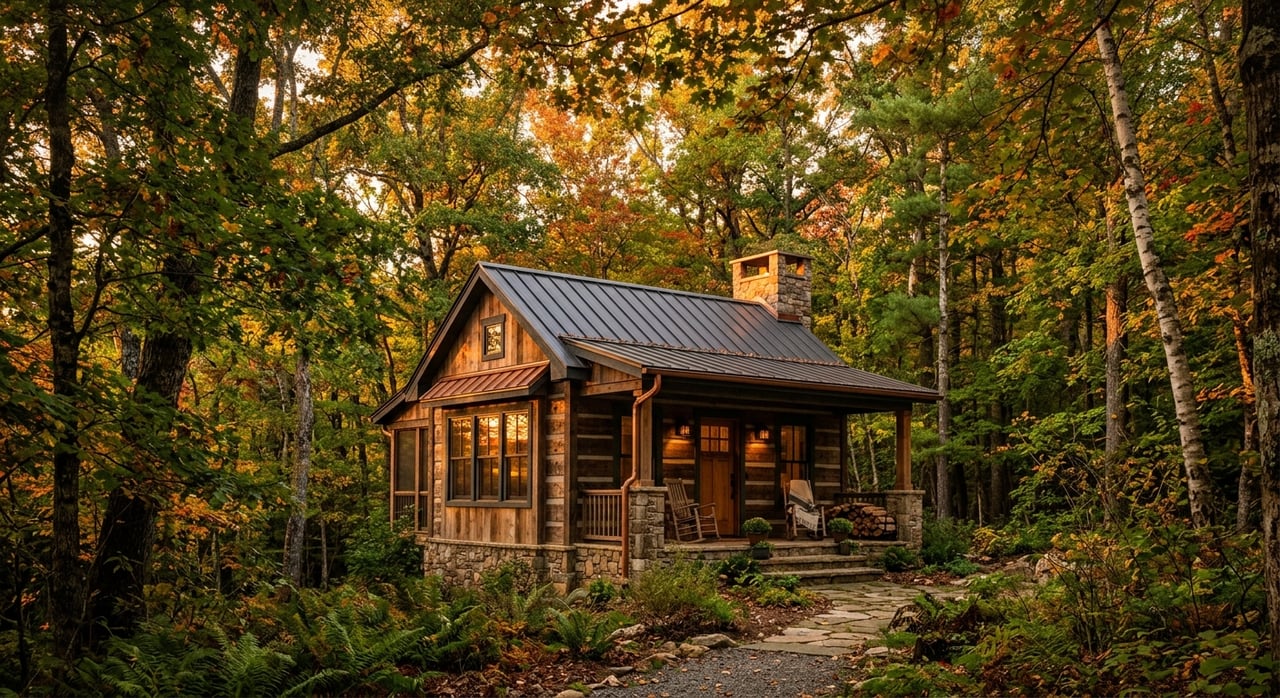
Dreaming about a simple weekend cabin in Oconee County is the fun part. Figuring out where it can actually go on the land is where smart planning starts. If you want a place that works for weekends now and gives you flexibility later, you need to think beyond the view and look at access, setbacks, septic, wells, overlays, and permit order. Let’s dive in.
Start With County Rules First
If you are planning a cabin on raw land in Oconee County, your first step is understanding the local review process. Oconee County says parcels are zoned Control Free until they are rezoned, but county rules, overlays, and adopted standards still apply.
That matters because the county will not issue a permit before zoning compliance is certified. In practical terms, you cannot skip ahead to construction plans without first confirming that your proposed cabin location meets the county’s requirements.
When you are ready to submit for permits, Oconee County expects a Tax Map Number on every building permit application. Many permits can also be filed through the county’s CitizenServe system, which can help keep the process organized.
Know That Building and Septic Are Separate
One of the biggest mistakes buyers make with rural land is assuming one approval covers everything. In Oconee County, Building Codes handles building, zoning, land-use, encroachment, and inspection permits, but it does not design or approve septic systems.
That means your cabin permit path and your wastewater or well path are separate. If your land is not served by a public or community sewer system, South Carolina requires SCDES approval and a septic permit before the county can issue a building permit.
For a traditional septic application, the state requires an online submittal, a copy of the plat or deed, and a site visit before a Permit to Construct is issued. If you are buying land for a weekend cabin, that is one of the most important early checks you can make.
Choose the Cabin Site Carefully
A beautiful opening in the woods is not always the best place to build. Oconee County’s site-plan checklist requires a scaled site plan that shows the lot shape and dimensions, relation to adjacent rights-of-way, existing and proposed buildings, off-street parking, ingress and egress, buffers, and any needed driveway or encroachment permits.
In other words, the county wants to see how the whole property works together, not just where the cabin sits. Your driveway, parking area, well, and septic field all need room to function on the same tract.
This is why it usually makes sense to place the cabin inside the most flexible part of the buildable area. The prettiest spot may not leave enough room for setbacks, access, utilities, or future improvements.
Understand Setbacks and Right-of-Way Lines
Setbacks are not something you want to estimate by eye. Oconee County’s zoning ordinance says front-yard setbacks are measured from the roadway right-of-way shown on tax maps, while side and rear setbacks are measured from property lines shown on tax maps.
The county’s site-plan guidance also notes that setbacks can vary by zoning district and covenants. That means the amount of usable ground may be different from what it looks like on a casual walk of the property.
If you are evaluating a parcel for a cabin, it helps to think in terms of a buildable envelope. A good layout protects room for the cabin, driveway, septic area, and day-to-day use without boxing you in later.
Check for Lake Overlay Limits
Land near Lake Keowee or Lake Jocassee may come with another layer of rules. Oconee County’s lake overlay district can add a 25-foot undisturbed buffer and special density and land-use restrictions within 750 feet of the full pond contours.
For a weekend cabin buyer, this can affect where you clear, where you build, and how much flexibility the lot really offers. A tract that looks wide open on paper may have tighter limits once overlay rules are applied.
If the property is near one of those lakes, this review should happen before you finalize your cabin design. It is much easier to adjust a concept early than to redo a full site layout later.
Confirm Road Access Early
Access can shape the entire project. Before you plan a driveway, you need to confirm whether the road is county-maintained or state-maintained.
South Carolina Department of Transportation recommends using its Street Finder tool or customer service to verify state maintenance. If the road is SCDOT-maintained, residential owners request a driveway apron through the local SCDOT office. If the issue involves a county road, it goes to Oconee County Roads & Bridges.
This is one reason a rough sketch is not enough. The driveway location needs to work with the road, the cabin site, parking needs, and any permit requirements.
Plan for Addressing and Emergency Access
On a rural cabin property, access is not just about convenience. Oconee County’s addressing information notes that reflective E-911 address numbers are available through the county rescue squad.
That may sound like a small detail, but it points to a bigger issue. If the driveway winds through the property or the cabin sits deep off the road, it is smart to line up the driveway, cabin location, and address placement early so emergency access is clear.
A weekend retreat should feel tucked away, but it still needs to be easy to find and reach when it matters.
Test Septic and Well Feasibility Before Design
If the land will use a septic system and private well, those pieces need to be checked before you commit to a final building footprint. SCDES recommends confirming water and sewer availability with local government before buying or clearing land.
That advice makes sense because the cabin footprint, septic field, and well area all compete for the same usable ground. A spot that seems perfect for the cabin may create problems for the rest of the layout.
Private wells also require state involvement. SCDES says a Notice of Intent must be submitted before construction of an individual residential well or irrigation well, the driller must be certified in South Carolina, and the agency reviews the notice before installation.
SCDES also states that private wells are private property, which means owners are responsible for testing and treating their own water. For a weekend cabin, that is part of the long-term planning, not just the initial build.
Watch for Wetlands and Stream Issues
Rural land often has low areas, swales, or creek bottoms that look usable at first glance. In some cases, they are not.
If your plans include wetlands or stream impacts, SCDES notes that a separate Army Corps permit may be needed. This can affect driveway routes, cabin placement, and clearing plans.
That is why walking land is only one part of due diligence. A site that feels straightforward can become more complicated once environmental and permit constraints are added to the picture.
Review Floodplain Status Before You Build
Floodplain issues can be a major factor on certain Oconee County tracts. If the site is in or near a mapped floodplain, the county requires a floodplain development permit application with a surveyor or engineer seal, two copies of a site plan, floodplain boundaries, and related elevation data.
The county’s instructions also say no fill is allowed in the Special Flood Hazard Area. Structures in the floodplain may also need the lowest floor and attendant utilities set at least three feet above base flood elevation.
For a small cabin, those rules can have a big impact on cost and layout. This is why floodplain review should happen early, before you get attached to a specific building site.
Think Long Term, Not Just Weekend One
A cabin plan should work for more than the first season of ownership. Oconee County’s zoning ordinance says no permanent utility connection may be authorized, and no certificate of occupancy issued, until the zoning official certifies the required site plan is complete and an approved as-built plan is on file.
That is a reminder that placement decisions are not temporary guesses. Once you commit to a cabin site, driveway, and utility layout, those choices can shape the property’s function for years.
A strong plan usually keeps the house site, driveway, septic reserve area, and view corridor separated enough to preserve options. That can make future maintenance, additions, or resale much easier.
A Smart Pre-Build Sequence
If you want to simplify the planning process, this order makes sense:
- Verify the parcel, zoning status, overlays, and floodplain status.
- Confirm whether the road is state- or county-maintained and review the driveway access path.
- Check septic and well feasibility before finalizing the cabin footprint.
- Prepare a site plan showing the cabin, septic, well, driveway, buffers, and utilities.
- Submit county and state permits in the right order, starting with zoning compliance and then moving to floodplain, septic, and well approvals as needed.
This kind of sequence can save time, money, and frustration. It also helps you evaluate whether a property is truly ready for your plans, or just looks good at first glance.
If you are looking at Oconee County land for a weekend cabin, local guidance matters. The right parcel is not just scenic. It needs a workable buildable envelope, clear access, and enough room for utilities and long-term use. If you want help evaluating land with those details in mind, Joseph Cann brings practical Upstate land experience and a straightforward approach to the process.
FAQs
What should you check first before building a cabin in Oconee County?
- Start by verifying the parcel, zoning status, overlay districts, and floodplain status before you finalize any cabin plans.
Does Oconee County require zoning compliance before a cabin permit?
- Yes. Oconee County states that no county permit may be issued before zoning compliance is certified.
Does a cabin on raw land need septic approval in Oconee County?
- Yes. If the property is not served by public or community sewer, SCDES septic approval is required before the county can issue a building permit.
How are cabin setbacks measured in Oconee County?
- Front setbacks are measured from the roadway right-of-way shown on tax maps, while side and rear setbacks are measured from property lines shown on tax maps.
Do lakefront or near-lake parcels in Oconee County have extra rules?
- Yes. Land near Lake Keowee or Lake Jocassee may fall under the lake overlay district, which can add a 25-foot undisturbed buffer and other land-use restrictions.
Why should you test well and septic feasibility before choosing a cabin site?
- The cabin footprint, septic field, and well area all need usable space, so early testing helps avoid placing the cabin where utilities will not work well.