Craving more space without feeling cut off from everything? That is the appeal of country living near Greenville County for many buyers. You may picture quiet roads, wooded homesites, and room to spread out, but the day-to-day reality is usually more balanced than remote. This guide will show you what country living near Greenville really looks like, what practical details matter most, and how to think about land, access, and lifestyle before you buy. Let’s dive in.
Country Living Is Usually a Hybrid
In Greenville County, country living often means you get a more rural feel without giving up access to major destinations. The county includes cities and towns like Greenville, Greer, Mauldin, Simpsonville, Fountain Inn, and Travelers Rest, along with unincorporated areas where much of the rural-residential inventory is found. That mix shapes how people live on the county’s edge.
The county is also growing fast. The Census Bureau estimates Greenville County had 570,745 residents in 2024, with 248,037 housing units and a 68.8% owner-occupied rate. In practical terms, that means you are looking at a market where rural space remains attractive, but growth and development are very much part of the picture.
Greenville County Planning makes that balance clear. County planning is focused on growth, land-use questions, and transportation corridors, especially in the unincorporated areas where rural and suburban patterns often meet. So when you picture country living here, think privacy and land, but not complete isolation.
What Rural Residential Means
A good place to start is Greenville County’s R-R3 Rural Residential District. The county says this district is intended for low-density housing in areas that are rural in character and may not be served by public water or sewer. The ordinance also notes that the district is meant to preserve trees and natural amenities.
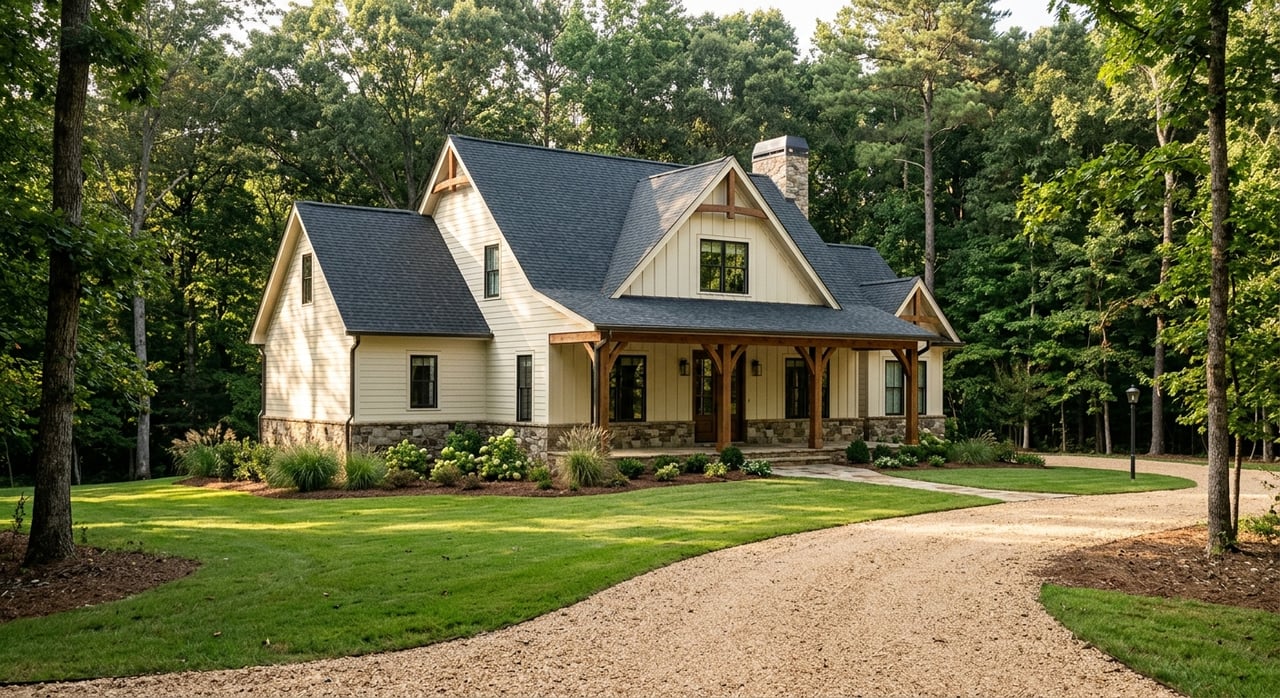
That matters because it gives you a realistic picture of what many country properties near Greenville look like. You will often find larger yards, more wooded surroundings, and homesites where the land itself is a big part of the value. In many cases, the setting matters just as much as the house.
This is one reason rural property shopping feels different from shopping in a typical subdivision. You are not just comparing square footage or finishes. You are also evaluating terrain, privacy, access, utility setup, and how the parcel functions over time.
Land Matters as Much as the House
When you look at country property near Greenville, the lot deserves close attention. In more rural parts of the county, the shape of the parcel, driveway placement, and buildable area can affect how useful the property really is. What looks simple online can become more complicated once you start reviewing the site details.
Greenville County Planning handles zoning in the unincorporated county, and subdivision administration reviews plats and planned infrastructure before final plat approval. For you as a buyer, that makes it important to ask whether a tract is already properly platted and whether any subdivision review still applies. Those details can affect your timeline and your plans for the property.
This is where local land knowledge becomes especially useful. A property can feel like a perfect country escape, but the practical side still needs to work. The best rural purchase is one where the setting and the paperwork make sense together.
Utilities Can Change the Whole Experience
One of the biggest differences between country living and more in-town living is utility service. Greenville County’s rural residential areas may not have public water or sewer. That means you should verify utility availability early, not after you are emotionally attached to the property.
For many rural tracts, a well and septic system are part of the equation. South Carolina’s Department of Environmental Services says site approvals and permits are required for septic systems, and a county cannot issue a building permit on property without the septic permit when the site is not served by public or community sewer. That is not a minor detail. It is central to whether and how a property can be used.
Private wells also come with responsibility. SCDES says private well owners are responsible for testing and treating their own drinking water and must notify the agency before installing a private drinking water well. If you are used to neighborhood utilities, this is one of the clearest ways country living asks you to think differently.
The Practical Checks You Should Expect
The charm of a rural property is real, but so are the due-diligence steps. Greenville County’s plan review checklist requires an approved sewer or septic permit and floodplain information on the site plan. Those are not abstract items. They directly affect buildability, cost, and timing.
Before you move forward on a rural property, it helps to confirm a few basics:
- Zoning and permitted use
- Utility type and availability
- Septic suitability and permit status
- Floodplain information
- Plat status and lot layout
- Driveway access and site configuration
These checks are a normal part of buying land or a rural home in the Upstate. They do not mean a property is problematic. They simply mean country living comes with more moving pieces than a standard in-town lot.
Commuting Is Part of the Trade-Off
Space is often the goal, but daily travel still matters. Greenville County’s transportation planning highlights I-85 and I-385 as major corridors, which helps explain why many buyers look for rural properties with reasonable highway access. You may live on a quieter road and still structure your day around a familiar commute pattern.
The county’s congestion-management survey also found that residents farther from downtown were more likely to see teleworking and flexible schedules as beneficial. That lines up with how many people approach country living today. Extra space works best when your job, schedule, or lifestyle gives you some flexibility.
The regional transportation strategy also includes bus service, park-and-ride options, bikeways, and other active transportation tools. Even if you drive most of the time, it is helpful to know the region is planning for multiple ways to stay connected.
You Are Not Cut Off From Travel
One common concern about country living is whether it makes regional or air travel harder. In Greenville County, that concern is often less of an issue than buyers expect. GSP International Airport sits between Greenville and Spartanburg near Greer, along I-85 and major highways.
According to the airport, GSP offers more than 20 nonstop destinations with connections to over 200 cities. For buyers who travel for work, family, or recreation, that access can make rural living feel much more practical. You may gain space at home without giving up convenient connections beyond the Upstate.
Outdoor Life Is Part of the Rhythm
A big reason people choose country living near Greenville is simple: they want more room to enjoy the outdoors. The good news is that this part of the Upstate offers both everyday recreation and bigger weekend options. That helps country living feel active, not isolated.
The Prisma Health Swamp Rabbit Trail is a 32-mile and growing network that runs from the Blue Ridge Escarpment through Fountain Inn, Greenville, and Travelers Rest. It connects with parks, schools, and local businesses, making it part of daily life for many residents.
Paris Mountain State Park is about six miles north of downtown Greenville and includes 1,700 acres of forest, streams, and lakes. If you want more rugged hiking, the Mountain Bridge Wilderness Area links Jones Gap and Caesars Head state parks through trails and backcountry campsites. Jones Gap also uses parking reservations on busy days, which is worth knowing before you go.
County parks add another layer to the lifestyle. Poinsett Park near Travelers Rest offers walking trails, open green space, and basic park amenities. Campbell’s Covered Bridge in northern Greenville County adds a smaller historic park experience that fits the area’s rural character.
What Daily Life Often Feels Like
So what does country living near Greenville really look like once you put all of this together? Usually, it means a quieter homesite, more land, and a little more self-reliance. It also means planning around utility details, drive times, and property-specific questions that matter more than they do in a typical neighborhood.
For many buyers, that trade-off is exactly the point. You are choosing elbow room, natural surroundings, and a property that feels tied to the land. At the same time, you are still operating within a growing county shaped by major road corridors, nearby town centers, and regional access.
That is why buying the right country property takes more than a quick search. It helps to work with someone who understands how land, layout, utility questions, and real-world use come together. If you are thinking about country living near Greenville County, Joseph Cann can help you evaluate the property itself, not just the listing photos.
FAQs
What does country living near Greenville County usually mean?
- It usually means low-density living with more land, privacy, and rural character, often in unincorporated areas that may not have public water or sewer.
Do rural properties in Greenville County usually have public utilities?
- Not always. Greenville County’s rural residential areas may not be served by public water or sewer, so you should verify utility availability early.
Do you need septic approval for rural property in South Carolina?
- Yes. SCDES requires site approvals and permits for septic systems, and a building permit cannot be issued without septic approval when the property is not served by public or community sewer.
Is commuting from rural Greenville County manageable?
- It can be, especially if the property has good access to I-85 or I-385. County planning also shows telework and flexible schedules are especially helpful for residents farther from downtown.
What should you check before buying country property near Greenville?
- Focus on zoning, utility type, septic suitability, floodplain information, plat status, and access so you understand how the property can be used.
Are there outdoor recreation options near rural Greenville County homes?
- Yes. The area includes the Swamp Rabbit Trail, Paris Mountain State Park, county parks, and access to hiking destinations like Jones Gap and Caesars Head.